Carbon that Counts
Unlocking the value of carbon accounting on Tasmanian farms
Recent changes to Australian legislation mean that large companies are now required to report their emissions alongside their financial reports. Most farm businesses won't meet the threshold to report directly. But processors, retailers, and export customers are increasingly asking farmers for emissions data because these companies now need to report the emissions they produce, and also the emissions of their suppliers.
Carbon that Counts is working with Tasmanian farmers to build skills and knowledge in farm carbon accounting.
BACKGROUND
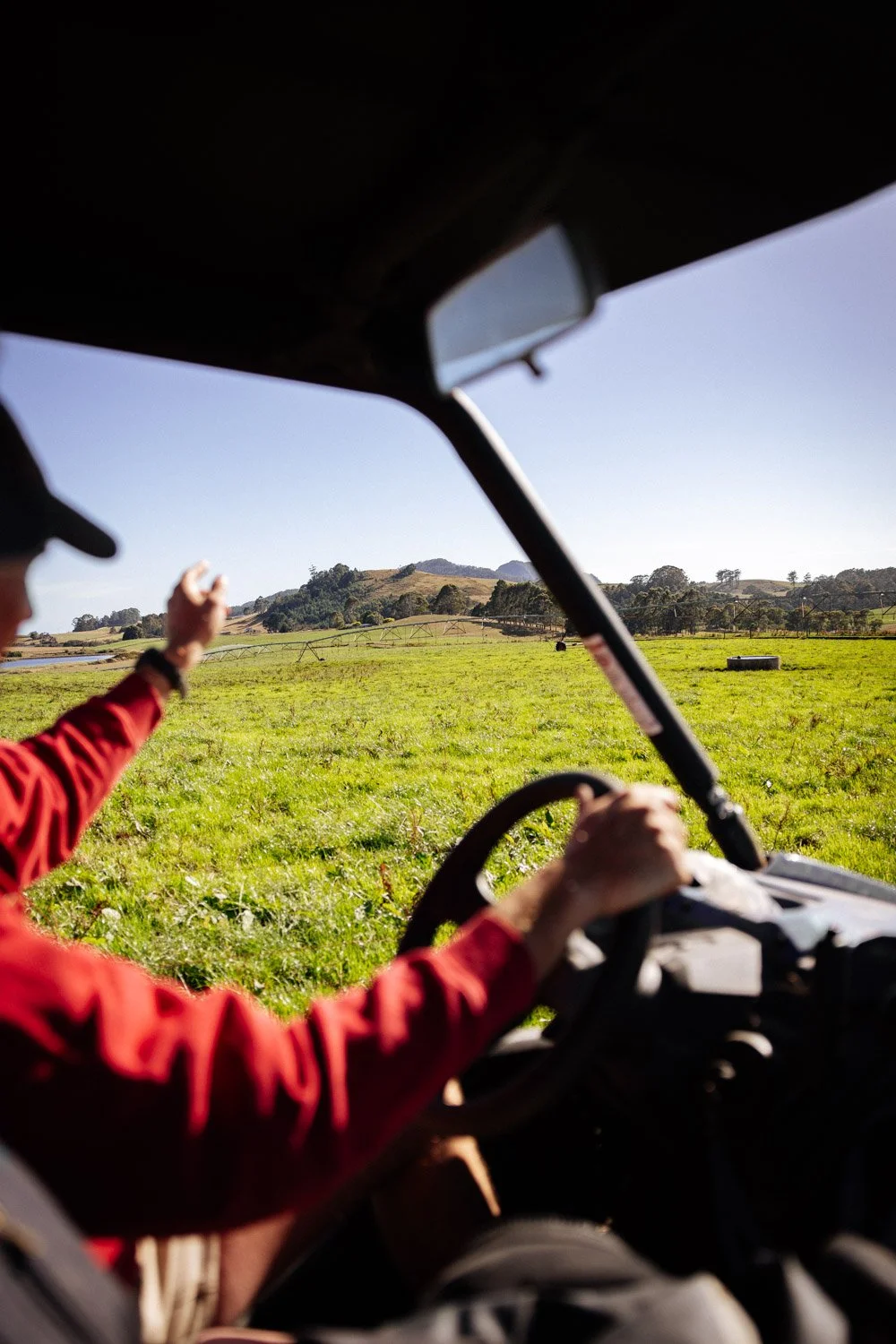
Carbon that Counts is exploring how carbon accounting can unlock value for Tasmanian farms. Over two years we’re working with 11 farms to measure their emissions, trial practical emission reduction practices, and track the financial and operational changes, including:
Does it save money or improve efficiency? We’re tracking how identified emission reduction practices lead to cost savings or productivity gains through improved fuel efficiency, fertiliser optimisation, energy savings, or management efficiencies.
Does it open market opportunities? We’re examining how carbon data helps farms access benefits like preferential interest rates, premium prices, or eligibility for export markets with sustainability requirements.
How do changes affect operations? We’re analysing the real-world effects of emission reduction practices on farm productivity and profitability, not just environmental outcomes.
ABOUT THE PROGRAM
Tools explaining carbon accounting and to assist farmers to get started. Two practical guides are available below. As the project progresses, we’ll add more tools and resources to this page.
Case studies from Tasmanian farms. Once our Case Study farms have completed 2 years of carbon accounting, we’ll share information on practices trialled, the effects on productivity and profitability, and lessons learned.
Activities and events. We’ll be holding a number of on-farm activities in 2027. You’ll be able to hear directly from other farmers and skilled advisors.
WHAT’S BEING DELIVERED
TOOLS + RESOURCES
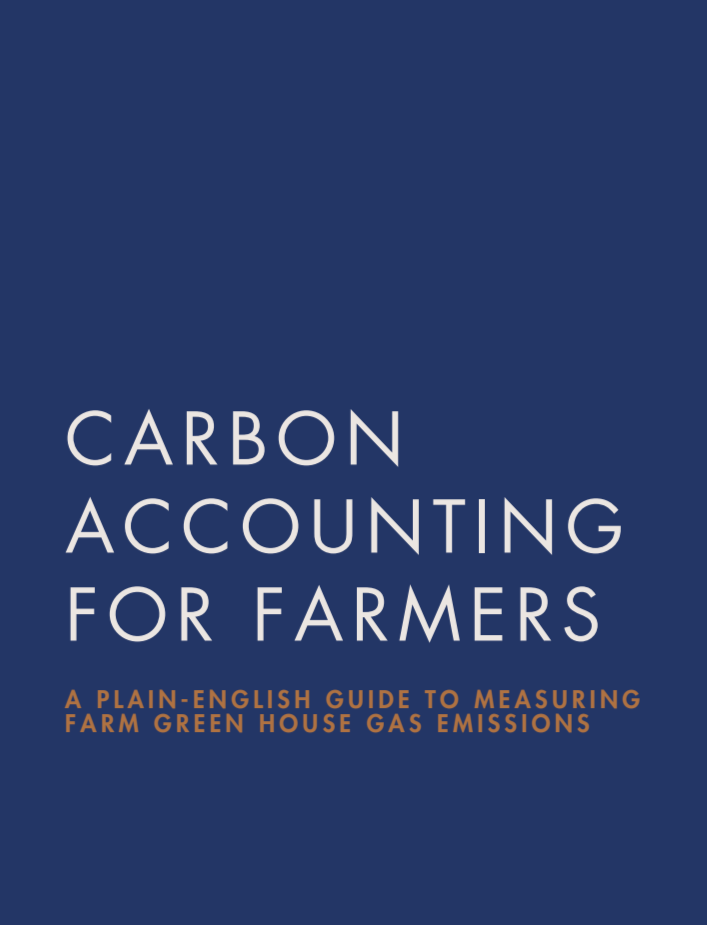
CARBON ACCOUNTING FOR FARMERS
A plain-English guide to measuring farm green house gas emissions
This guide provides an introduction to carbon accounting and explains how emissions are measured and communicated. It includes practical tips on how to get started.
RECORD KEEPING FOR CARBON ACCOUNTING
Practical tips to make your annual carbon assessment faster, more affordable, and more accurate
This guide explains why record keeping is important for carbon accounting, the information you need to keep during the year to complete your carbon account, and some useful tips.
HOW TO GET INVOLVED
Case Study farm participation for this project is now closed.
However, we’ll be sharing all the findings and running a series of on-farm activities from Winter 2027.
Sign up for project news and updates here and we’ll let you know as soon as dates and details are locked in.
Carbon that Counts is supported by the Australian Government through funding from the Climate-Smart Agriculture Program under the Natural Heritage Trust.
The project commenced in October 2025 and is running until March 2028. It is being delivered by West Pine in collaboration with RMCG, Southern Farming Systems and Cradle Coast NRM.